Our Coaches
The standards we expect from every coach who works with MST Football players.
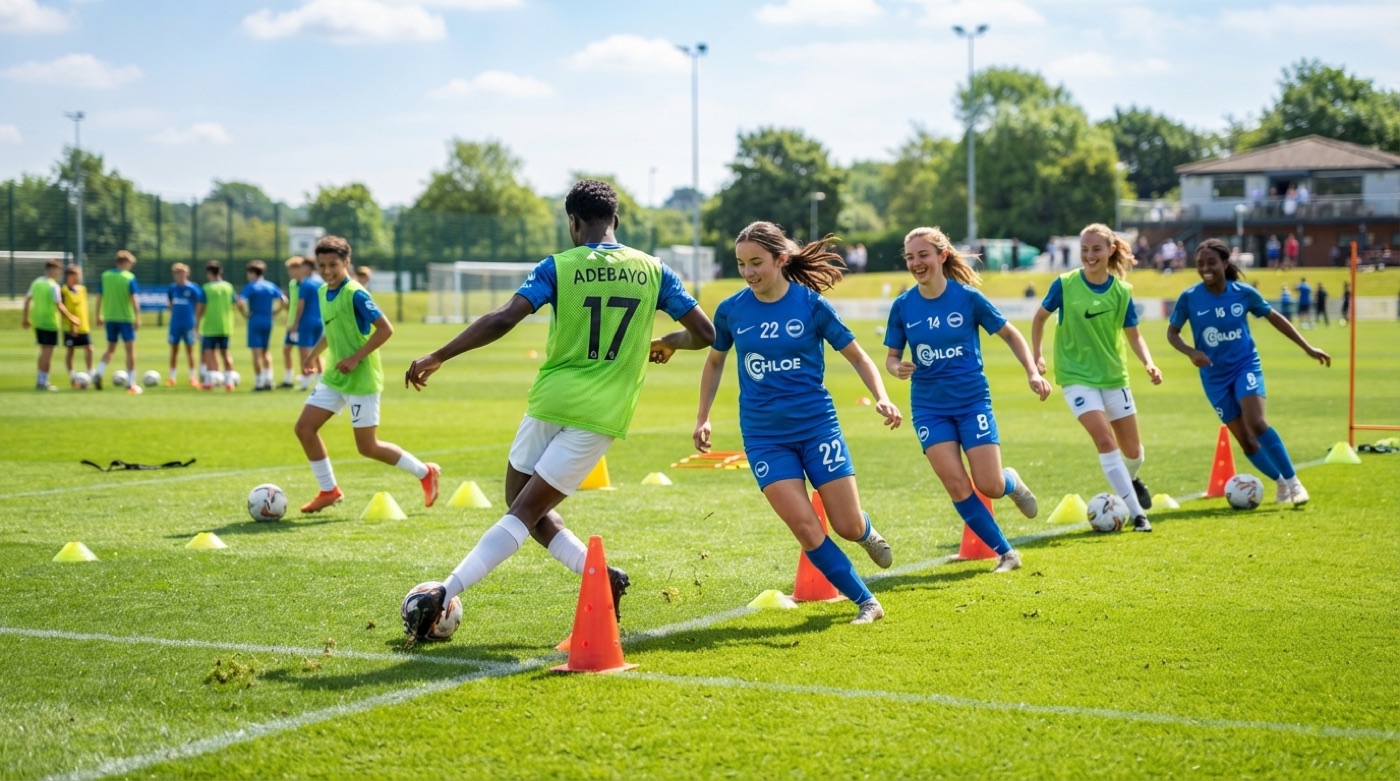
Parents often ask us a simple question: who will be coaching my child? It is the right question. This page explains what we look for in a coach, the standards we work to, how we think about coaching and how coaches are matched to age groups. We do not list individual coaches on this page, and we would rather explain our expectations clearly than offer a gallery of profiles.
What we look for in a coach
Qualifications matter, but they are only part of the picture. When we recruit and review coaches, we look for people who combine football knowledge with the qualities that make children want to come back next week.
- Care for children. Coaches should be warm, patient and respectful, and should treat every player as an individual.
- Clear communication. Good coaches give short, simple instructions, explain why a practice matters and listen to players as well as talk to them.
- Technical credibility. They can demonstrate and explain the skills they coach, and they understand what is appropriate at each age.
- Reliability. They arrive early, prepare sessions in advance and communicate professionally with families.
Qualifications, checks and first aid
These are the standards the academy works to for everyone who coaches or supervises children:
- Coaching qualifications. We expect coaches to hold a recognised football coaching qualification appropriate to the age group and level they work with.
- Enhanced DBS check. We expect every coach to hold a valid enhanced DBS check before they work with players.
- In-date first aid. We expect a first-aid-trained adult with an in-date certificate to be present at every session.
- Safeguarding awareness. We expect coaches to understand our safeguarding expectations, to follow our code of conduct and to know how to raise a concern.
These are expectations we hold ourselves and our coaches to, and you are welcome to ask us about them at any time.
Our coaching philosophy
We coach the player first and the game second. That means sessions are built around opportunities to learn rather than long periods of waiting or standing in lines. In practice, our coaches aim to:
- keep players active, with plenty of touches on the ball in every session;
- use questions and small challenges so players learn to solve problems for themselves;
- praise effort, bravery and good decisions, not only goals;
- treat mistakes as part of learning, particularly when a player is trying something new;
- adjust the difficulty of a practice so that it stays challenging but achievable.
How coaches are matched to age groups
Coaching a four-year-old and coaching a fifteen-year-old are very different jobs, so we think about the match carefully. Our approach is as follows:
- Little Strikers (ages 4 to 7). We look for coaches who are energetic, playful and comfortable working with very young children, within a ratio of up to 8:1.
- Junior Technical Development (ages 8 to 12). We look for coaches with a strong technical eye who can run high-repetition practices and develop match understanding.
- Elite Showcase and Tactics (ages 13 to 16). We look for coaches with tactical depth and experience of older players, including strength and conditioning and workload.
- Goalkeeper Specialist Unit and 1-on-1 Masterclass. These are led by coaches with relevant specialist knowledge for the role.
Where possible we aim for consistency, so players and parents get to know the coach in charge of their group.
How to ask about a coach
You have every right to know who is working with your child. Please use the contact page. Useful things to ask include:
- which coach or coaches will lead your child's group;
- what coaching qualification is expected for that group;
- how enhanced DBS checks and first aid cover are confirmed;
If anything about a session ever worries you, please tell us straight away. We would much rather hear it early and put it right.